You are on the waitlist. A member of our team will review your application shortly.

Find out more about the resources, tools, and support available within each PEER-HOMEcare portal
This program offers two portals: one for healthcare professionals or therapists, and one for stroke survivors and their family members.
are designed to deliver tailored support for stroke survivors, their families, and healthcare professionals. They were developed through interviews and ongoing feedback with patients, caregivers, and therapists, ensuring the resources are grounded in lived experience and clinical practice.
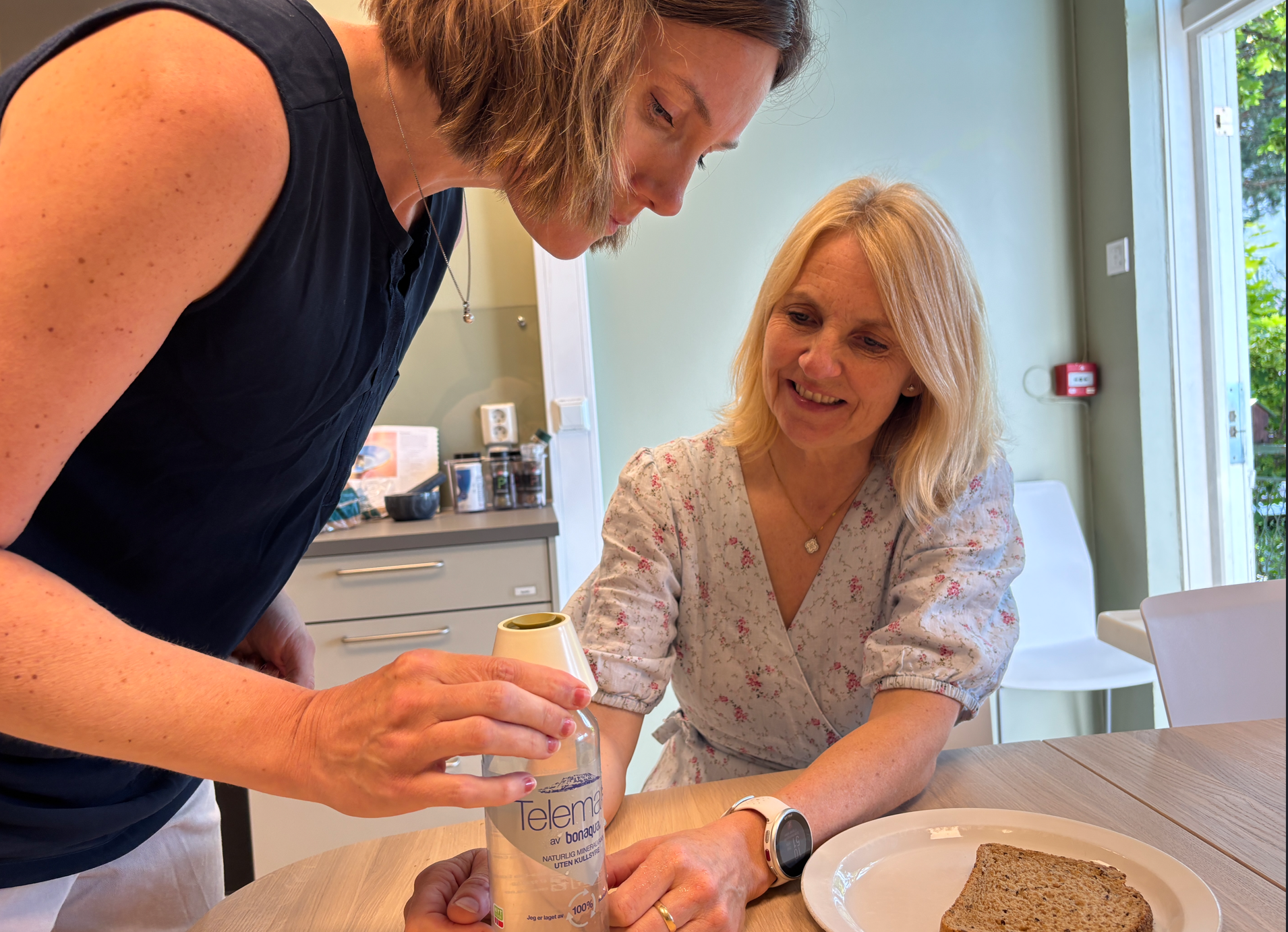
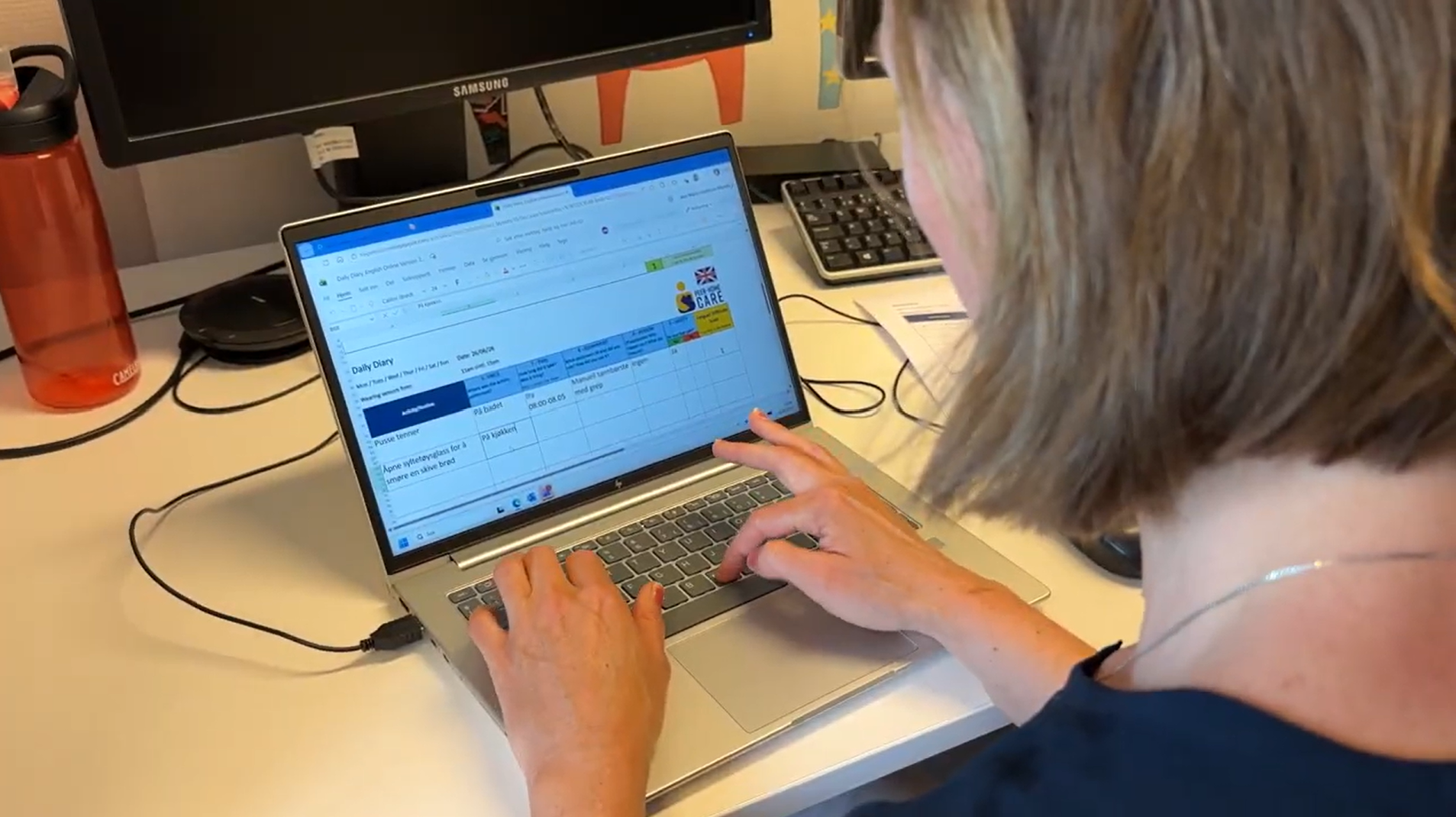
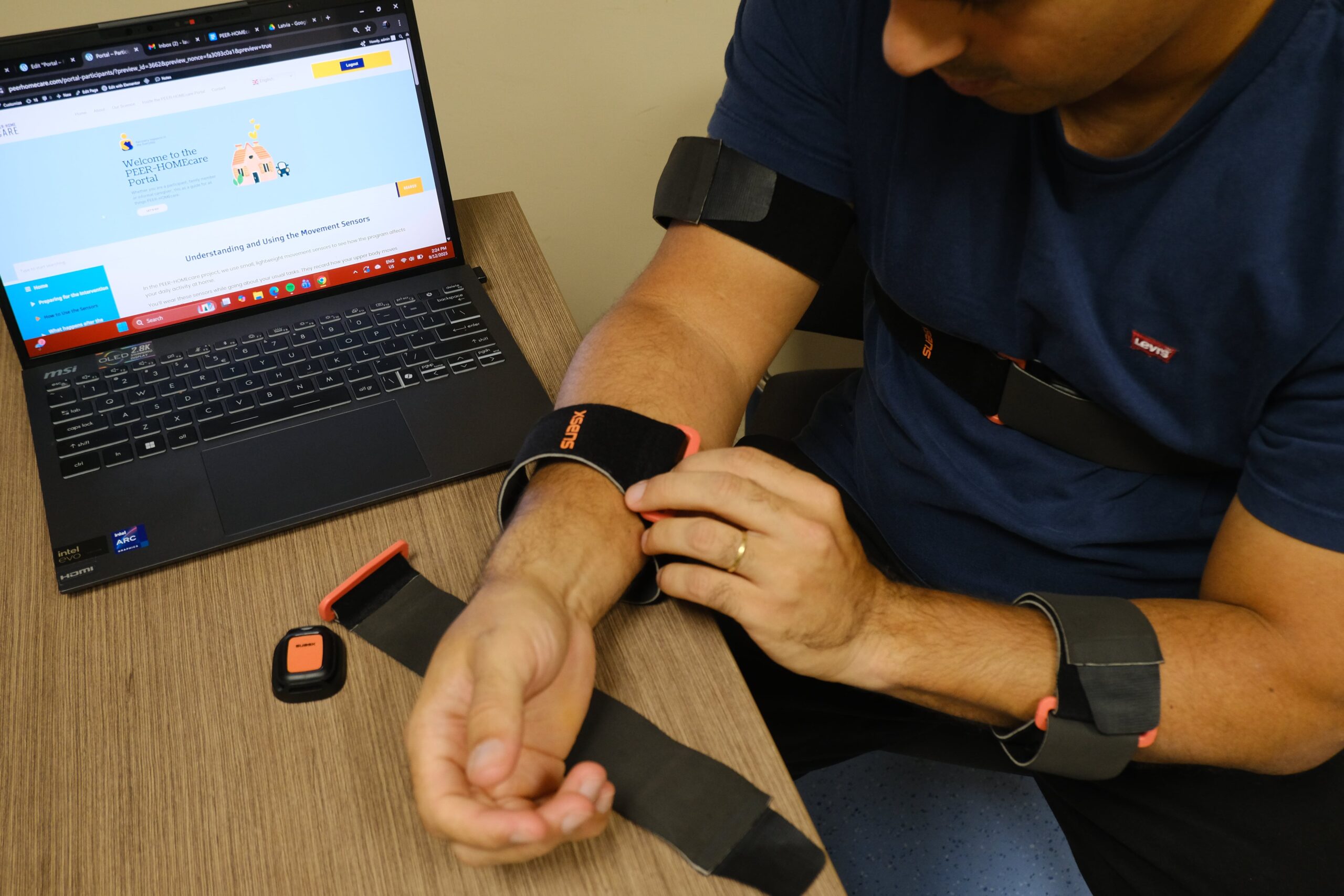
As part of PEER-HOMEcare, stroke survivors wear four small motion sensors on each arm for about two hours a day during everyday activities like cooking, eating, or tidying the house.
What they do: the sensors register movement in three dimensions, and show how much you use the affected arm and the quality of movement in the arm.
Why it matters: this helps our therapists see how changes in the home, affect your progress. If improvement is slow, then the environment and your daily routines can be adjusted.
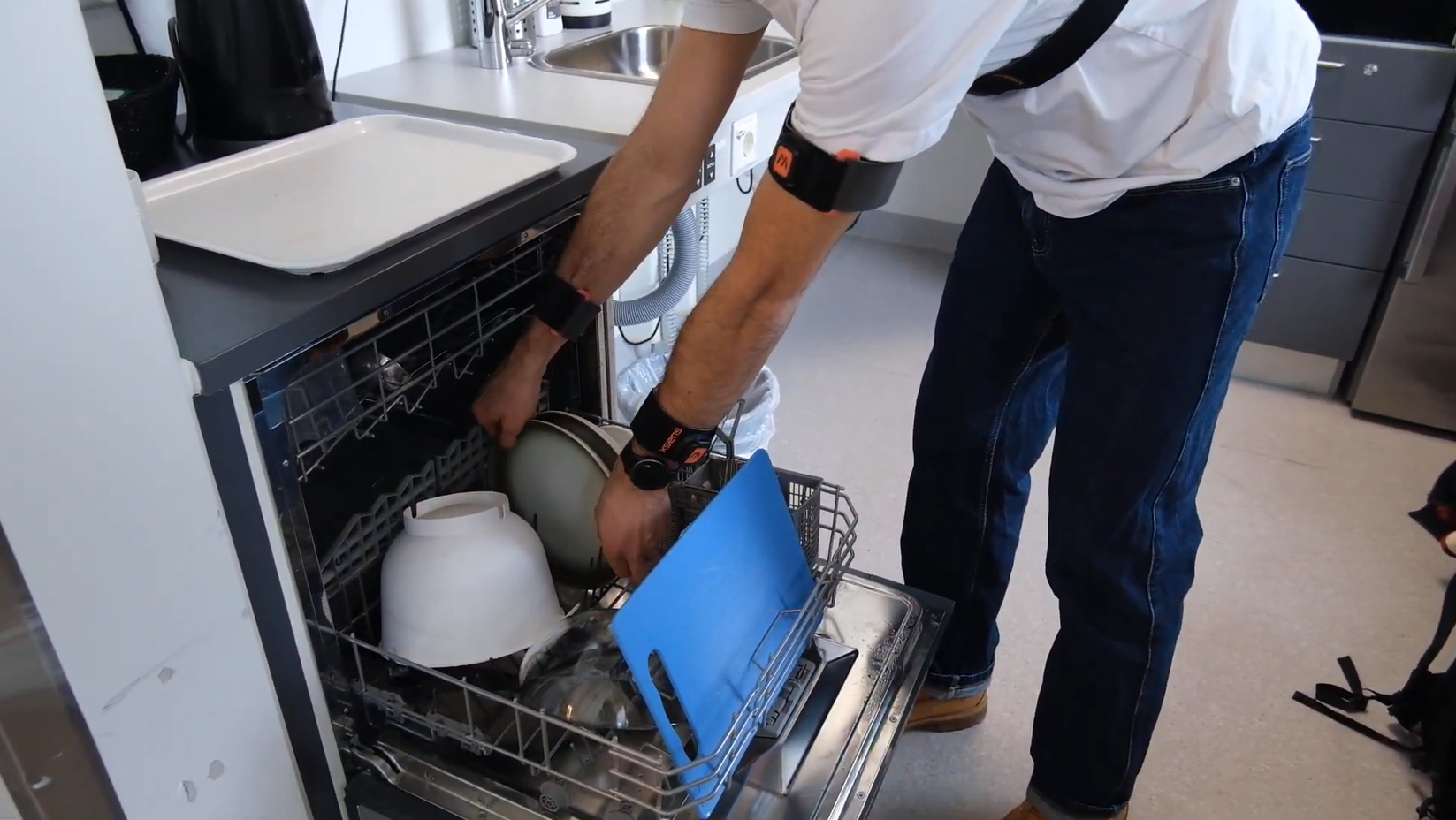
The sensors don’t just collect data, they provide feedback during treatment. After each home visit, the therapist can show simple activity reports, helping participants and families see progress and help you stay motivated.