Section 1
Understand the program
Understand the science and pedagogy behind PEER-HOMEcare, as well as your role to contribute to the program's design and impact.
Ee Theory
Neuroplasticity
Research
PEER-HOMEcare brings rehabilitation into the everyday - and this portal gives you everything you need to deliver it.

Portal sections

Understand the science and pedagogy behind PEER-HOMEcare, as well as your role to contribute to the program's design and impact.
Ee Theory
Neuroplasticity
Research
Follow a step-by-step guide to deliver the program - from recruitment and first home visit to the 3-month follow-up.
Recruitment
Week 1-6
Assessements
3-month follow-up
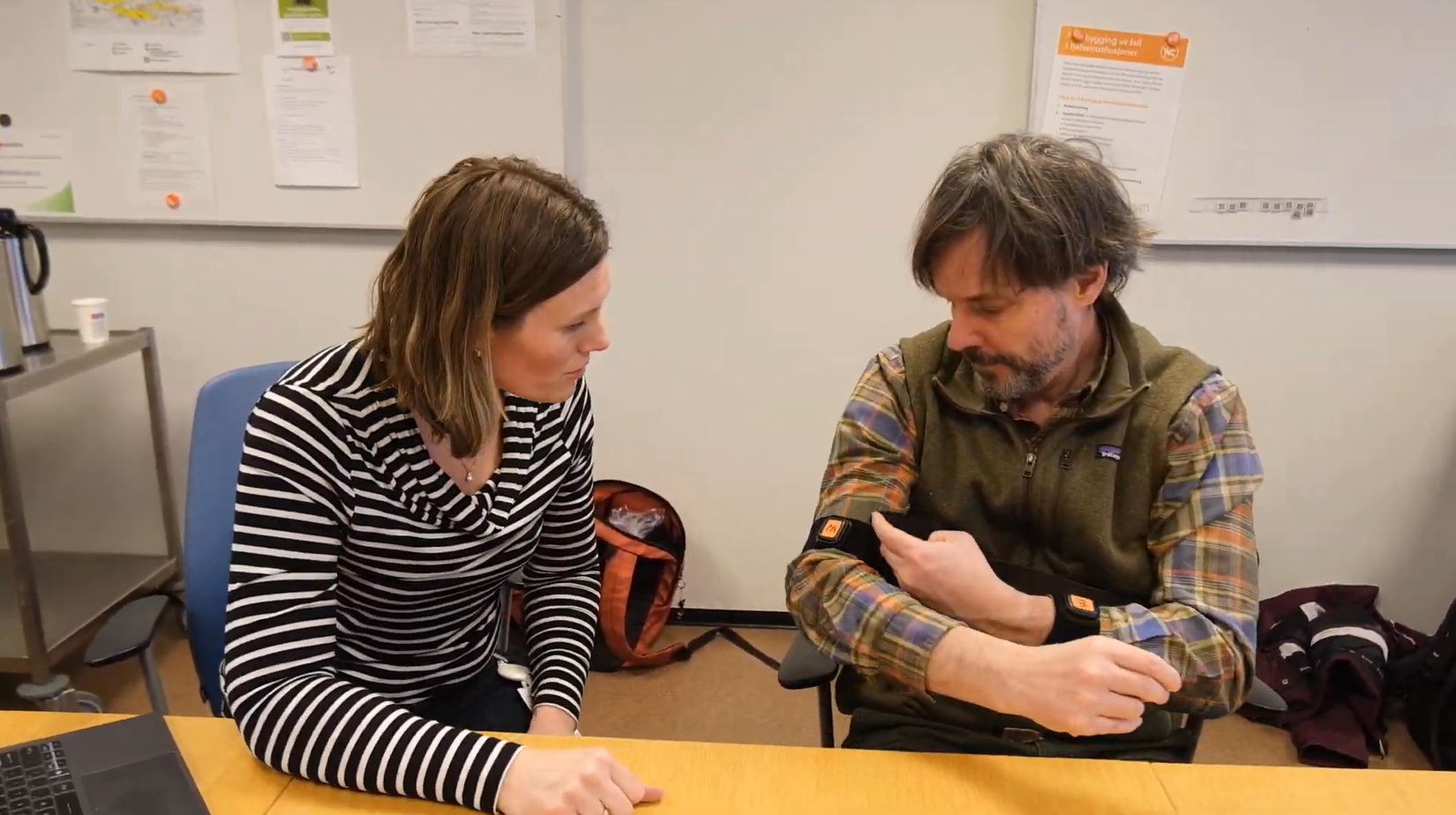
Access practical guidance on the movement sensors, including setup, data collection, interpreting results, and troubleshooting.
sensor setup
Data collection
Interpreting data
FAQ

All documents, forms, and links in one place - organised by phase so you can find what you need quickly.
Assessment forms
PDfs
Templates
Latest updates
Identify eligible participants, complete screening, and obtain consent.
steps – what to do
Resources
Tips Before your first visit — working with a stroke survivor
First home visit. Focus on sensor training, goal-setting, and baseline data.
what to do
Resources
Second home visit same week. Collect data, complete assessments, and plan ahead.
what to do
Resources
1–2 weekly home visits. Taper off based on participant progress. May be replaced by phone or telepractice.
what to do
Resources
Final follow-up call by phone. Use the dedicated log tab to make notes.
what to do
Resources
Stroke recovery is driven by neuroplasticity — the brain's ability to rewire itself through meaningful, repeated movement. The home is where that movement happens most naturally.
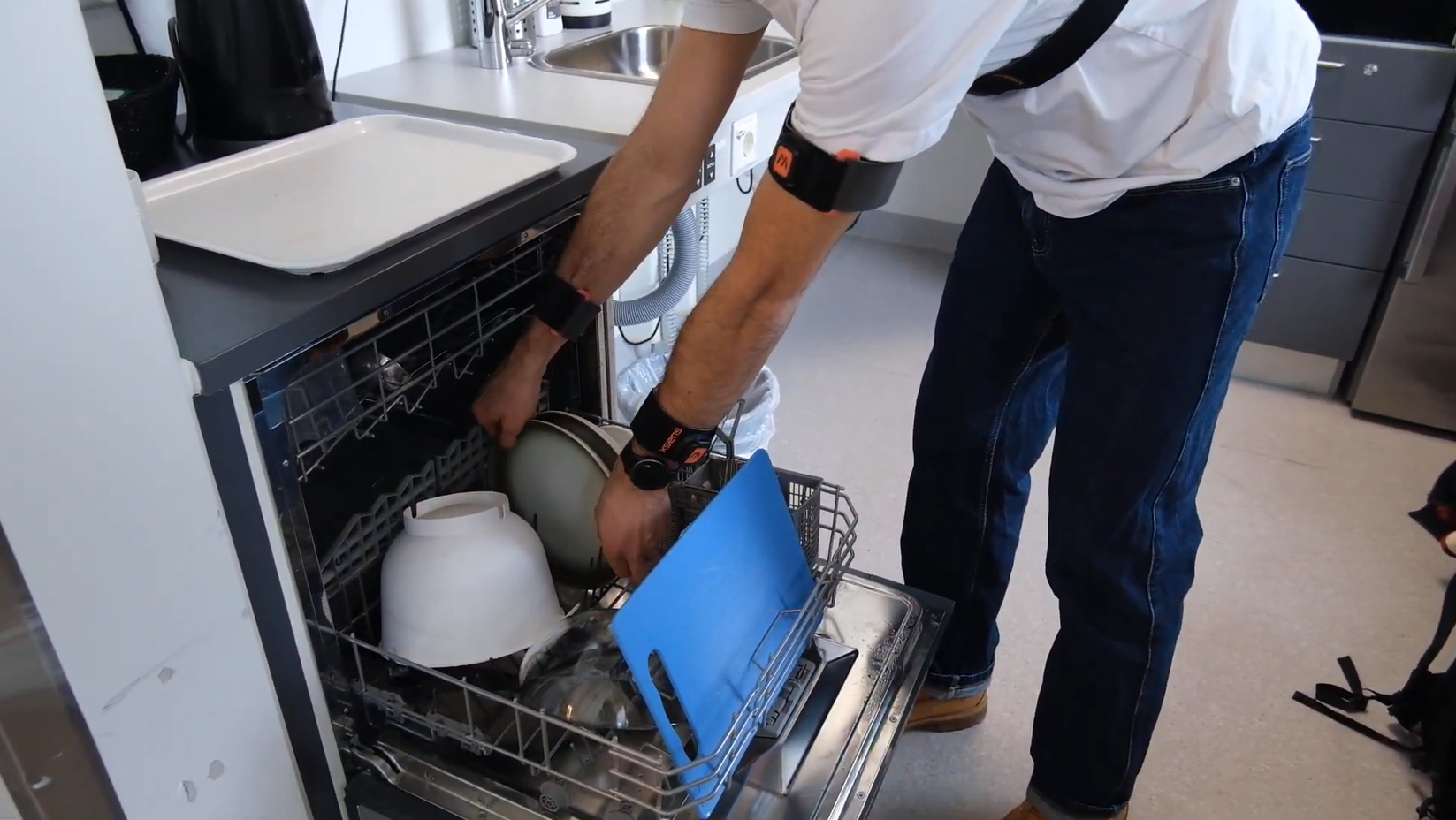
Traditional rehabilitation focuses on structured exercises in clinical settings. But research shows that the most meaningful gains come from movement embedded in everyday life — reaching for a cup, opening a door, preparing a meal.
PEER-HOMEcare is built on the insight that the home environment itself can be shaped to encourage more and better movement. Instead of adding exercises on top of daily life, we make daily life the rehabilitation.
what to do
Resources
Key principle
Stroke survivors who use their affected arm more in everyday situations show greater long-term motor recovery. The sensors make this visible — and the program makes it possible.
PEER-HOMEcare has followed a clear translational path — from theory and co-design to real-world testing.
1
Theory
Grounded in Environmental Enrichment research and neuroplasticity science. Rehabilitation not as physical repair, but as re-education of the whole person.
2
Co-design
Developed with clinicians, researchers, and patients across Norway, Sweden, and Latvia. Real feedback from real people shaped every part of the program.
3
Pilot testing
Piloted at Sunnaas Rehabilitation Hospital in Oslo. Stroke survivors and families reported positive experiences — particularly the value of rehabilitation happening at home.
4
Feasibility study (current)
Now running across Norway, Sweden, and Latvia as part of an EU-funded Transforming Health and Care Systems project. Full launch spring 2026.
what to do
Resources
Key principle
Stroke survivors who use their affected arm more in everyday situations show greater long-term motor recovery. The sensors make this visible — and the program makes it possible.
Stroke recovery is driven by neuroplasticity — the brain's ability to rewire itself through meaningful, repeated movement. The home is where that movement happens most naturally.
Traditional rehabilitation focuses on structured exercises in clinical settings. But research shows that the most meaningful gains come from movement embedded in everyday life — reaching for a cup, opening a door, preparing a meal.
PEER-HOMEcare is built on the insight that the home environment itself can be shaped to encourage more and better movement. Instead of adding exercises on top of daily life, we make daily life the rehabilitation.
what to do
Resources
Activities are chosen because they matter to the participant — meaning drives motivation and repetition.
Key principle
Stroke survivors who use their affected arm more in everyday situations show greater long-term motor recovery. The sensors make this visible — and the program makes it possible.