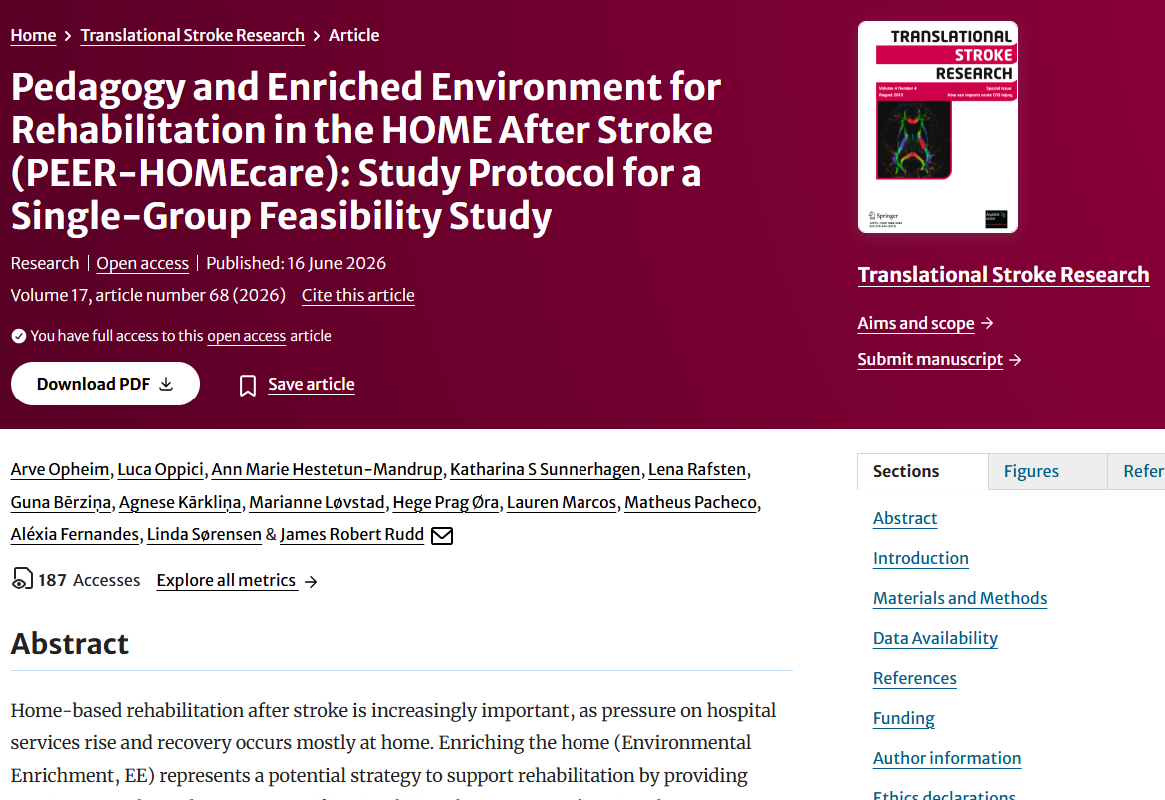

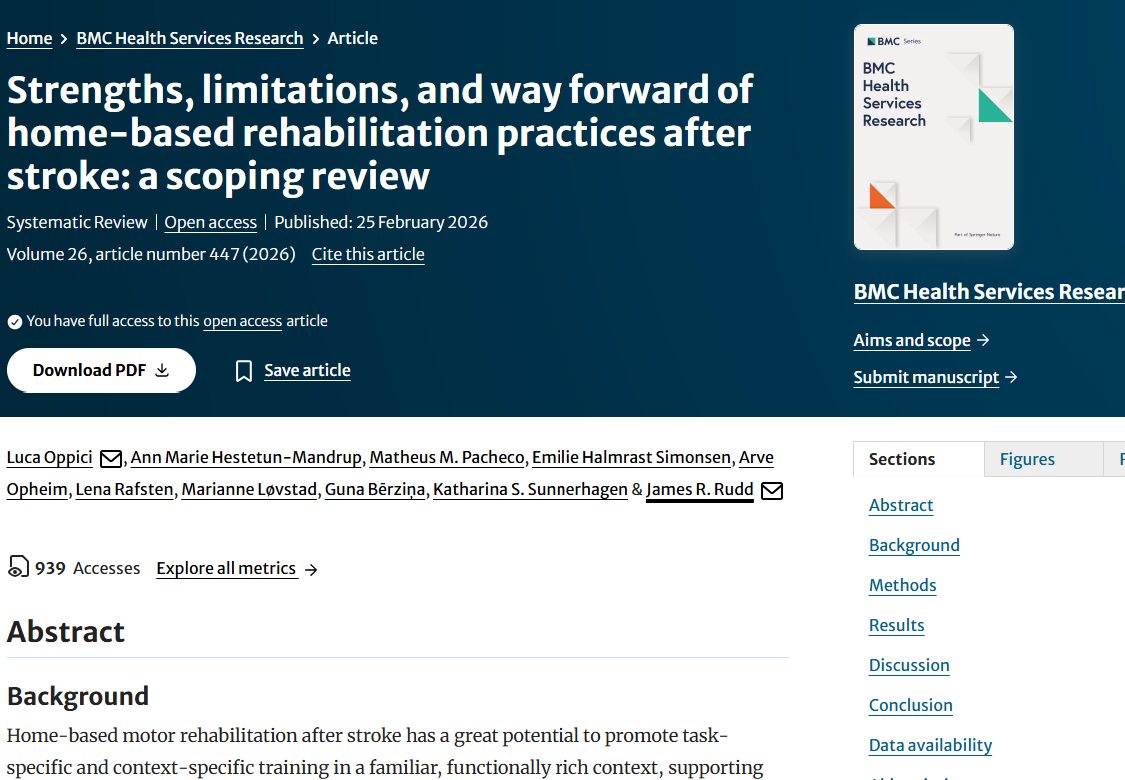
Learn more about Our Science
Hear from our PEER-HOMEcare team as they share insights from their research and clinical work.
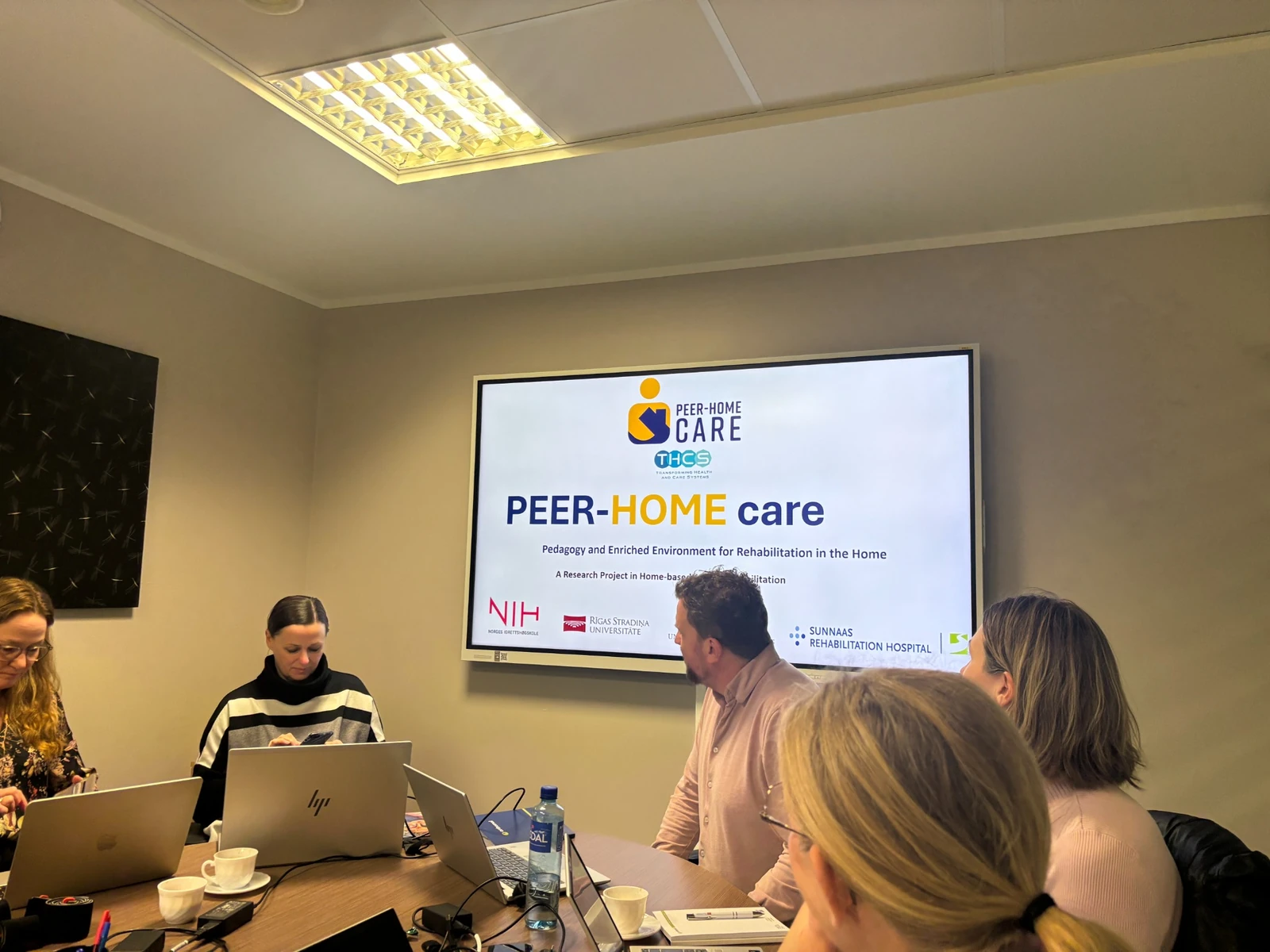
Translating theory to practice
Project Lead, Professor James Rudd introduces PEER-HOMEcare, a project focused on translating evidence-based theory into real-world home care practice.

Re-thinking home-based stroke rehabilitation
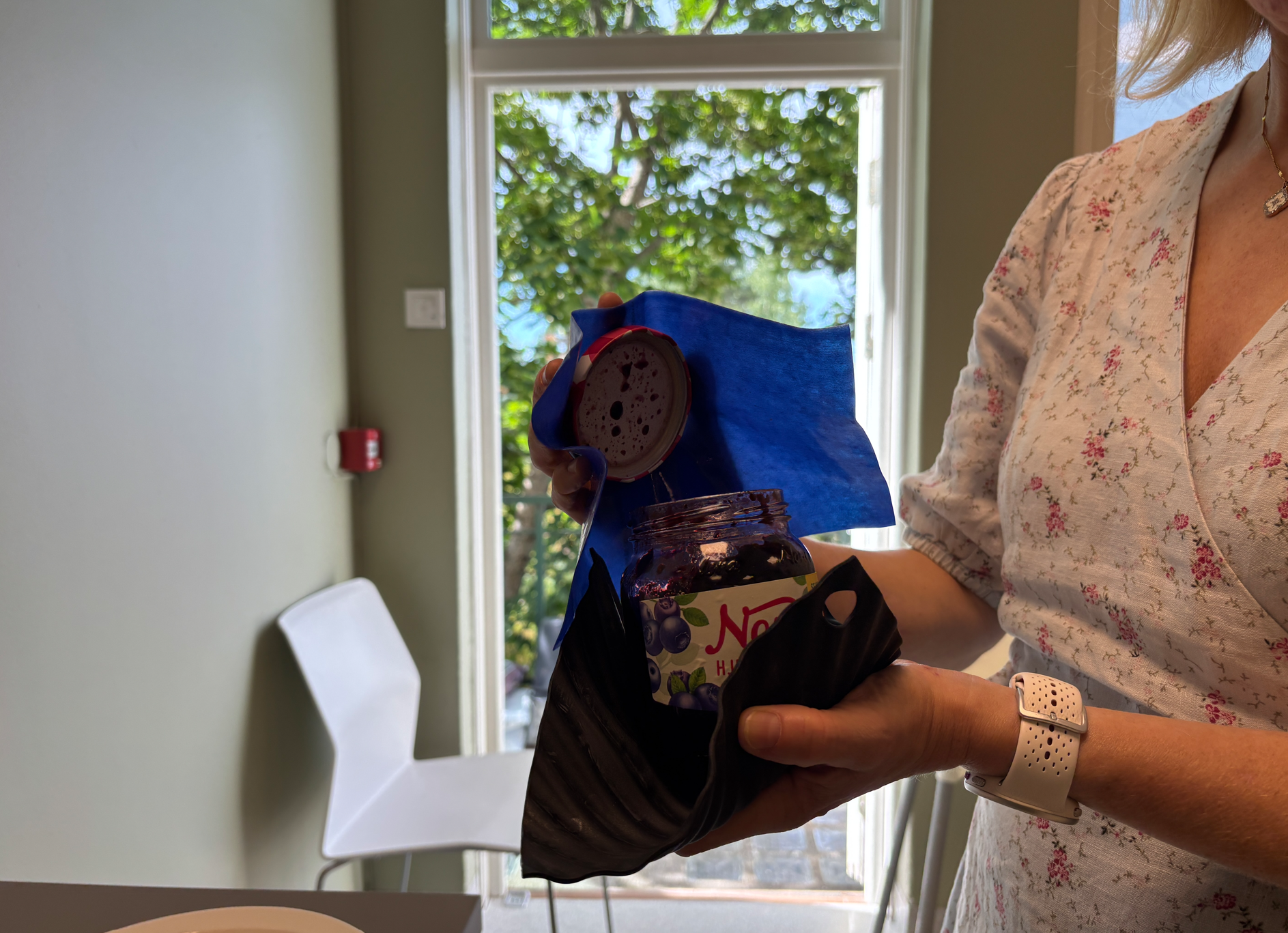
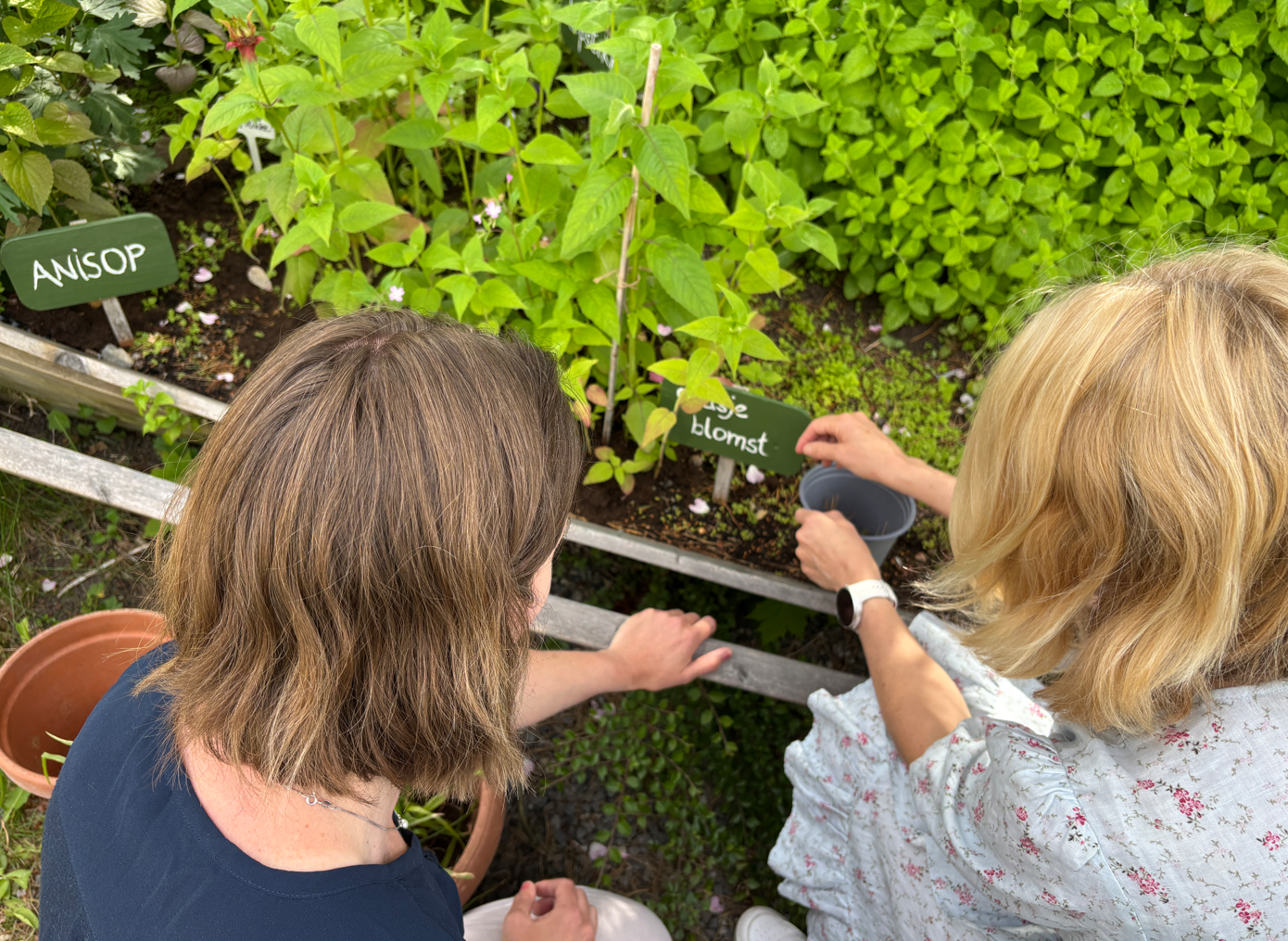
Project team member, Luca Oppici shares how PEER-HOMEcare shifts from prescribed exercise to co-designed, meaningful activity in everyday life.
Transforming Health and Care Systems (THCS)
PEER-HOMEcare is funded by the Transforming Health and Care Systems (THCS) partnership. THCS support has enabled the co-design, development, and evaluation of the PEER-HOMEcare program, helping progress the project to a feasibility trial.
The THCS partnership also provides ongoing oversight and guidance through structured reporting processes, including mid-term progress reporting, ensuring the project remains aligned with its aims, milestones, and wider system-level priorities. This support has been instrumental in strengthening collaboration across partners and translating the PEER-HOMEcare approach into a tested and implementable model of home-based stroke rehabilitation.
References
- Bakas, T., Clark, P. C., Kelly-Hayes, M., King, R. B., Lutz, B. J., & Miller, E. L. (2014). Evidence for stroke family caregiver and dyad interventions. Stroke, 45(9), 2836–2852. https://doi.org/10.1161/STROKEAHA.114.004525
- Langhorne, P., Bernhardt, J., & Kwakkel, G. (2011). Stroke rehabilitation. The Lancet, 377(9778), 1693–1702.
- Langhorne, P., & Baylan, S. (2017). Early Supported Discharge Services for People with Acute Stroke. Cochrane Database of Systematic Reviews, (7). https://doi.org/10.1002/14651858.CD000443.pub4
- Malik, A. N., Zurawska, U., & Jadavji, N. M. (2016). Role of the environment in stroke rehabilitation. Behavioural Brain Research, 296, 376–383.
- Norrving, B., et al. (2018). Action Plan for Stroke in Europe 2018–2030. European Stroke Journal, 3(4), 309–336.
- Oppici, L., et al. (2025). A scoping review of preclinical environmental enrichment protocols... Translational Stroke Research. https://doi.org/10.1007/s12975-025-01335-3
- Stroke Action Plan for Europe (SAFE & ESO). (2023). Implementation Status Report 2023. Retrieved from https://www.safestroke.e
- Stroke Alliance for Europe (SAFE). (2023). European Stroke Awareness Reports. Retrieved from https://www.safestroke.eu
- World Stroke Organization. (2023). Global stroke facts and figures. Retrieved from https://www.world-stroke.org