Translating Enriched Environments (EE) into Home-Based Stroke Rehabilitation
We explain how enriched environment principles from stroke research can be translated into home-based rehabilitation. We explore an ecological approach to movement learning, how everyday home environments influence recovery, and how the S.T.E.P.S. framework can be used as a practical tool to support activity, participation, and recovery after stroke.
Translating Enriched Environments into Home-Based Stroke Rehabilitation
Recovery after stroke continues long after discharge from hospital. Yet many stroke survivors return home to environments that may not fully support ongoing rehabilitation, activity, participation, and confidence.
PEER-HOMEcare is exploring how principles from enriched environment research can be translated into meaningful rehabilitation opportunities within everyday home life. In animal stroke studies, enriched environments promote recovery by increasing opportunities for activity, exploration, challenge, novelty, variety, and social interaction. Our work focuses on understanding how these principles can be adapted to the homes, routines, and priorities of stroke survivors across Europe.
Drawing on rehabilitation science, movement learning, occupational therapy, physiotherapy, pedagogy, and implementation science, PEER-HOMEcare seeks to develop practical approaches that help clinicians, stroke survivors, and families create environments that support recovery throughout the day.
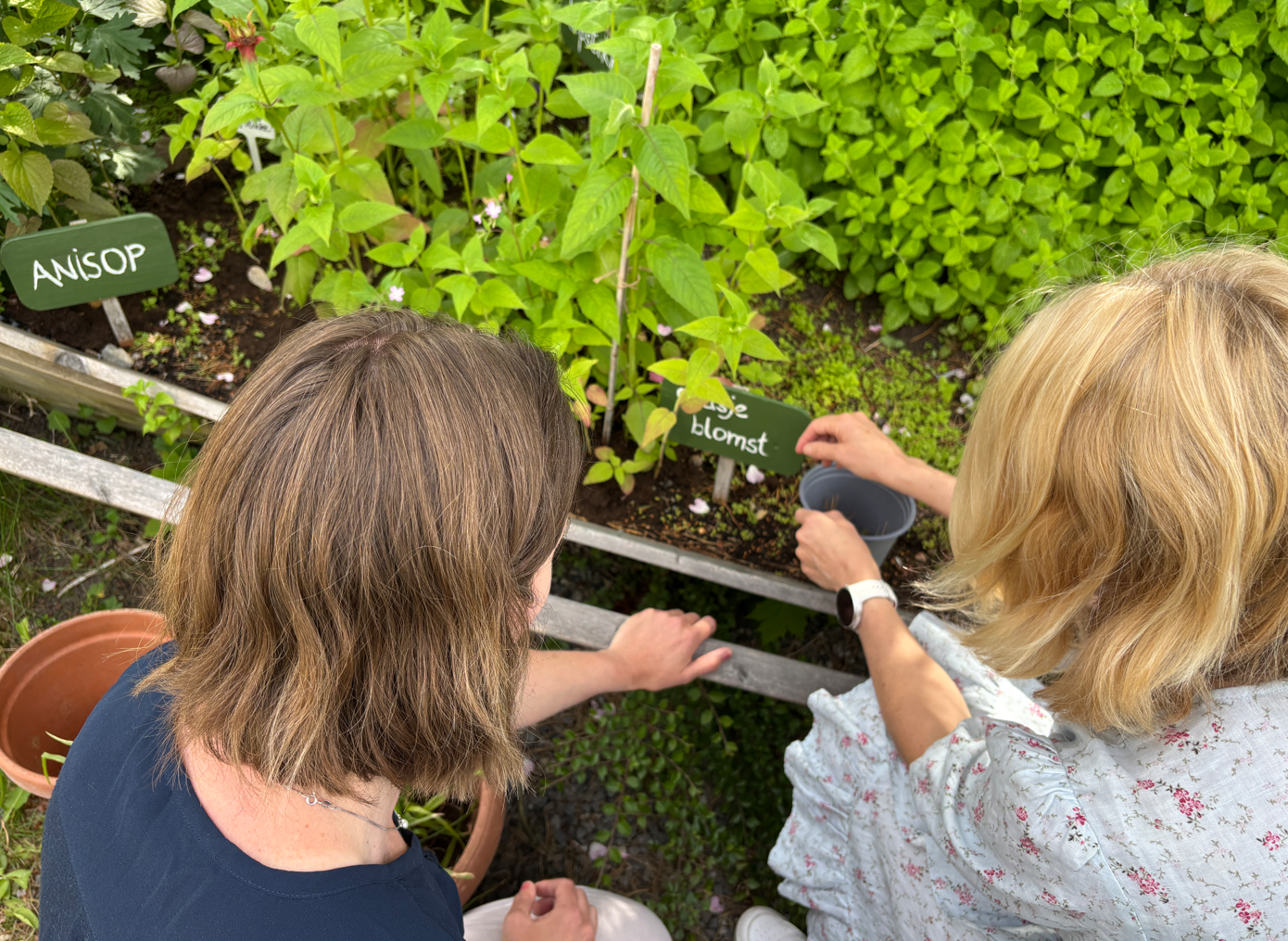
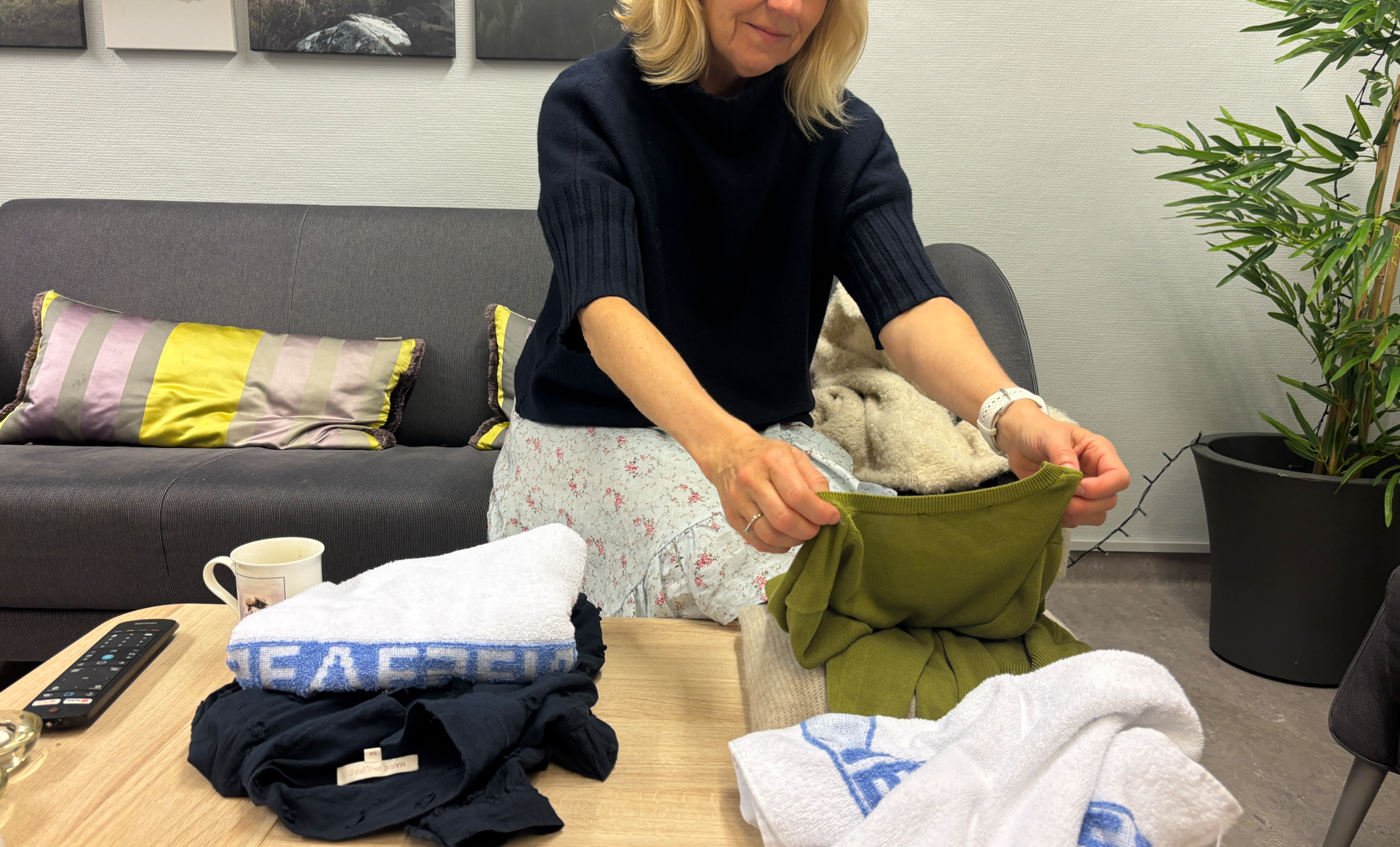
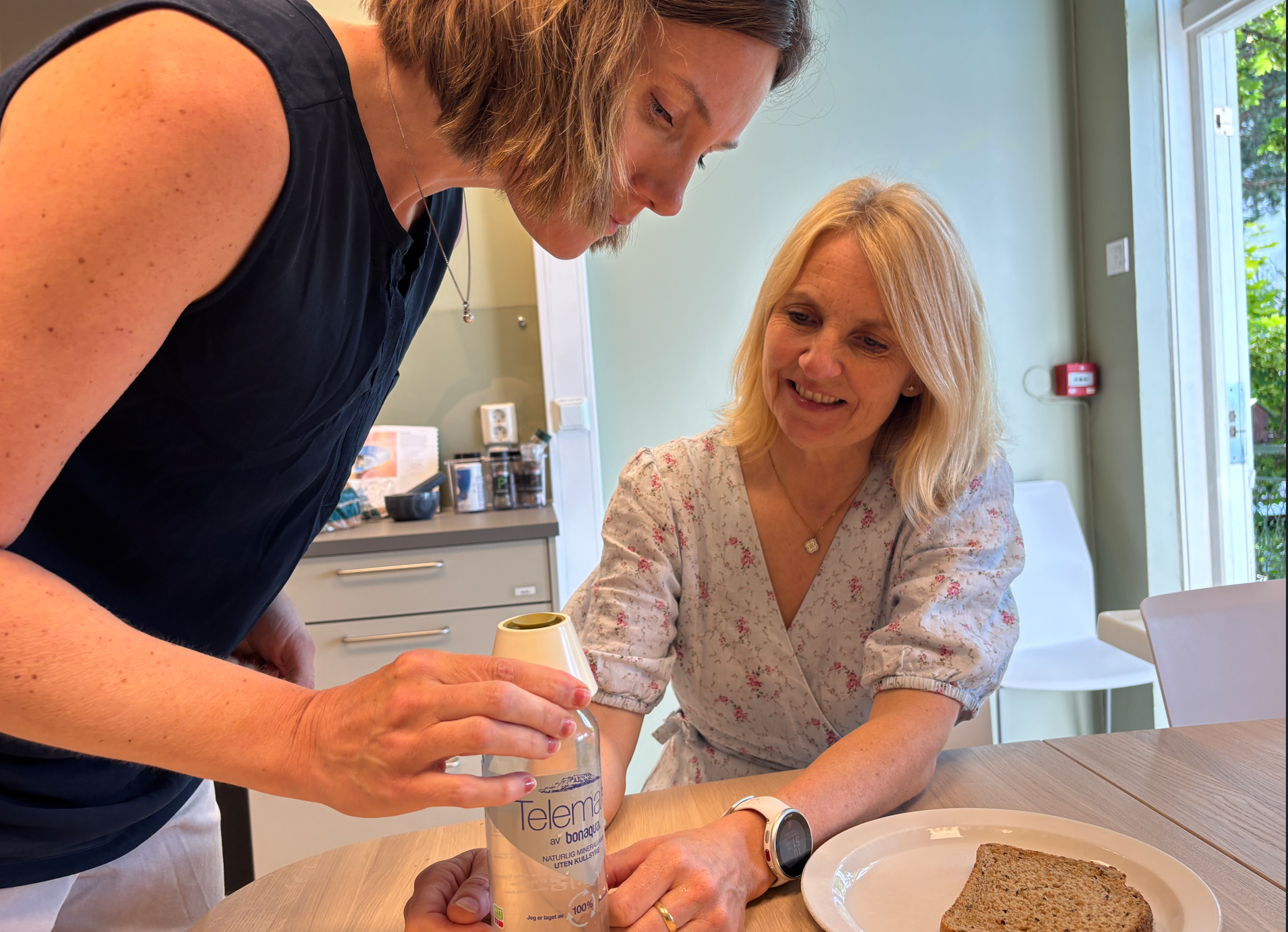
A key concept underpinning our work is that the home is not simply a location where rehabilitation occurs. Rather, it is a living environment filled with objects, spaces, routines, relationships, and opportunities for action. Through the lens of ecological movement learning and affordances, we investigate how everyday environments can be designed to invite meaningful engagement and progressively challenging activities.
To support implementation, PEER-HOMEcare has developed the S.T.E.P.S. framework (Space, Time, Equipment, People, and Safety), which helps clinicians identify opportunities to enrich home environments and tailor rehabilitation to individual needs, goals, and circumstances.
The project brings together researchers and clinicians from multiple European countries to develop scalable, person-centred approaches to home-based stroke rehabilitation that can be adapted across different healthcare systems and living situations.
Through research, education, and international collaboration, PEER-HOMEcare aims to strengthen the translation of enriched environment principles into practical strategies that support recovery, participation, and quality of life after stroke.
Published 25th June 2026